 Tiếng Việt
 Korean
 Russian
 Japan
 English
 0903.235.515


COMPLEX MEMBRANE PACKAGING
Learn about complex laminated film packaging in everyday life

Composite film packaging is a type of packaging widely used in our daily lives. From consumer products such as food and household appliances to industrial products, composite film packaging plays an important role in protecting and preserving products. In this article, we will learn about the structure, features, applications, advantages and disadvantages of composite film packaging, as well as the standards that need to be followed when using and development trends. of the complex laminated film packaging industry in Vietnam.
Introduction to composite film packaging
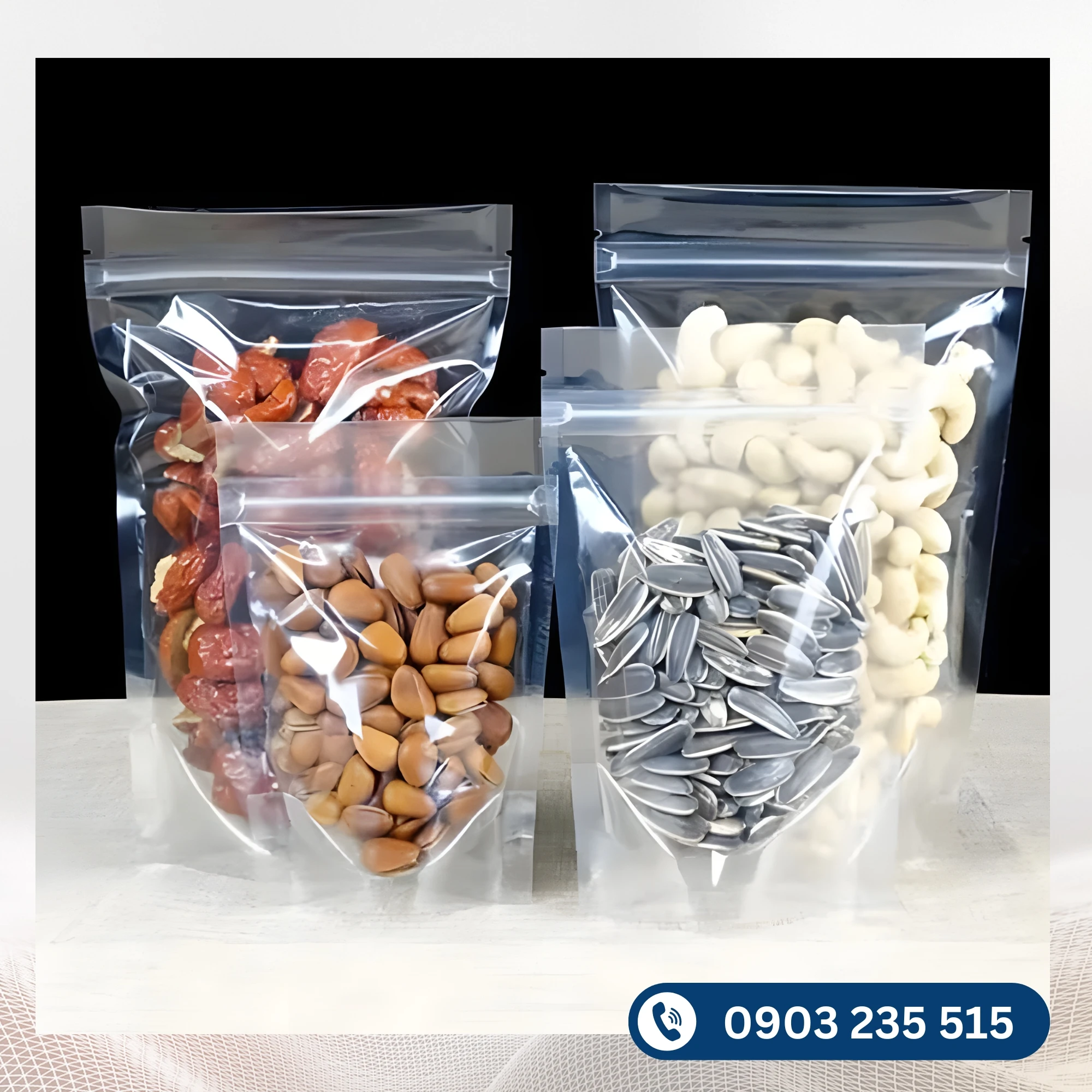
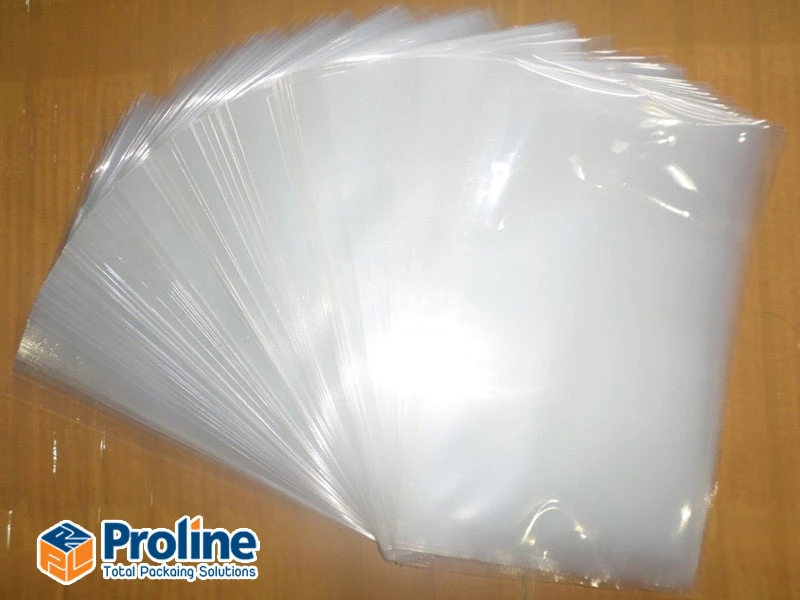
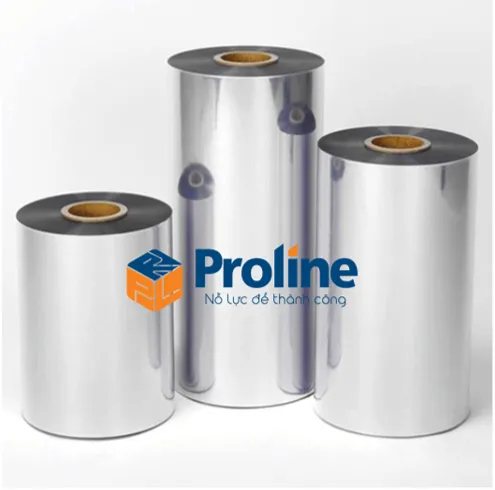
Composite film packaging is a type of packaging produced by combining many different layers of film into a complete packaging. These film layers can be made from materials such as plastic, paper, metal, fabric... The special thing about composite film packaging is the ability to combine the properties of different film layers to creating a perfect product in terms of protection and preservation.
Complex laminated film packaging is widely used in industries such as food, pharmaceuticals, chemicals, household appliances, electronics... With flexibility and diversity of materials, laminated film packaging Complex can meet many different requirements of products.
Structure and features of complex laminated film packaging
The structure of composite film packaging consists of many layers of film linked together by layers of glue or adhesive film layers. Each layer of membrane has its own role in protecting and preserving the product inside.
Key features of composite laminated film packaging include:
- Good bearing capacity and waterproofing: Thanks to the multi-layer structure, composite laminated film packaging has better bearing capacity and waterproofing than conventional packaging. This helps protect the product inside from external environmental influences such as light, temperature, humidity...
- Good product preservation: With anti-oxidant and moisture-proof properties, complex laminated film packaging helps preserve the product inside longer, keeping the product always fresh and intact.
- Diversity in size and design: Complex laminated film packaging can be produced in many different sizes and designs to suit different types of products. In addition, complex laminated film packaging can also be printed with images, logos or product information to increase aesthetics and attract consumers.
Application of complex laminated film packaging in daily life
Composite laminated film packaging has wide applications in our daily lives. Here are some examples of products packaged using composite film packaging:
Food & Beverage
Composite laminated film packaging is used to package foods and beverages such as coffee, tea, soft drinks, canned goods, frozen foods... Composite laminated film packaging helps preserve products. This product is better, ensuring quality and safety for consumers.
Pharmaceuticals and cosmetics
With anti-oxidant and moisture-proof properties, composite laminated film packaging is used to package pharmaceutical and cosmetic products such as medicine, lotion, shower gel... This helps preserve the products. This is better and maintains their freshness.
Product of industry
Composite film packaging is also used to package industrial products such as chemicals, lubricants, fertilizers... This helps protect and preserve these products during transportation and storage. .
Advantages and disadvantages of composite film packaging
Advantage
- Better product protection: With waterproof and anti-oxidation properties, complex laminated film packaging helps protect products from external environmental impacts, ensuring quality and safety for consumers.
- Flexibility in materials and design: Composite film packaging can be manufactured from many different materials and can be designed in many different designs and sizes. This helps meet many different product requirements.
- Cost savings: Composite film packaging has a lower cost than other types of packaging such as paper packaging or metal packaging. This helps save costs for businesses in packaging products.
Defect
- Not environmentally friendly: Because it is made from many different layers of film, composite film packaging cannot be fully recyclable and can pollute the environment if not handled properly.
- Limited product preservation ability: Despite having good anti-oxidation and moisture-proof properties, composite film packaging can still be damaged if not stored properly or affected by the elements. external factors such as light, temperature...
Common types of composite laminated film packaging
There are many different types of composite laminated film packaging used in everyday life. Below are some common types of composite film packaging:
3-layer composite film packaging
This is the simplest type of composite film packaging, consisting of 3 layers of film combined together. Commonly used for packaging food and beverage products.
5-layer composite film packaging
This type of packaging is composed of 5 different layers of film, helping to protect the product better and can be used for many different types of products such as food, pharmaceuticals, cosmetics...
Multilayer composite film packaging
This is a complex type of laminated film packaging composed of many different layers of film, with special properties to meet the different requirements of each type of product. For example, multi-layer composite film packaging for pharmaceutical products may have higher light and moisture resistance properties than composite film packaging for food products.
The production process of composite film packaging is complex
The production process of complex laminated film packaging includes the following steps:
- Material preparation: The necessary film layers are prepared and cut into sheets with sizes suitable to the final product specifications.
- Gluing multiple layers of membrane together: Membrane sheets are glued together through layers of glue or adhesive membranes.
- Printing: After the film layers have been assembled, the product will be printed with images, logos or product information as requested by the customer.
- Cut into packaging panels: The product will be cut into packaging panels of the desired size and shape.
- Packaging and quality checking: Finally, the packaging panels will be packaged and quality checked before being released to the market.

How to choose and use composite laminated film packaging effectively
To select and use composite laminated film packaging effectively, you can refer to the following points:
- Choose the right type of packaging for the product: You need to clearly determine the type of product that needs to be packaged so you can choose the appropriate type of composite film packaging.
- Check product quality: Before use, you should carefully check the quality of the product to ensure that the packaging is not damaged or has holes that could affect the quality of the product inside.
- Comply with safety standards: When using composite film packaging, you need to comply with safety standards such as ensuring hygiene, avoiding contact with toxic substances...
Standards that need to be followed when using composite film packaging
To ensure consumer safety and environmental protection, businesses producing composite film packaging need to comply with the following standards:
- Product quality standards: Complex laminated film packaging needs to ensure quality and safety for consumers.
- Hygiene standards: Businesses need to comply with hygiene regulations during the production process, ensuring not to pollute the products and the environment.
- Environmental protection standards: Businesses need to have measures to treat waste and recycle composite film packaging to minimize impact on the environment.
The importance of composite film packaging in preserving and transporting products
Complex laminated film packaging plays a very important role in preserving and transporting products. Thanks to its good anti-oxidant, moisture-proof and light-proof properties, composite film packaging helps preserve products better, maintaining product quality and freshness for a long time.
In addition, complex laminated film packaging also helps protect the product from external factors such as impact, dust or moisture during transportation.
Development trends of the composite film packaging industry in Vietnam
Currently, the complex laminated film packaging industry is trending towards strong development in Vietnam. With the development of the economy and increasing consumer demand, the use of composite film packaging to package products has become an indispensable trend.
Many businesses have been investing in this field, thereby creating a variety of diverse and high-quality composite film packaging products to meet market needs.
Conclude
Composite laminated film packaging is a type of multilayer packaging widely used in daily life. With good product protection, flexibility and cost savings, composite film packaging is increasingly popular and tends to develop strongly in Vietnam. However, to use effectively and ensure consumer safety, businesses need to comply with standards and processes for properly producing composite film packaging.