 Tiếng Việt
 Korean
 Russian
 Japan
 English
 0903.235.515


Simple and Efficient Ways to Use a Vacuum Sealer
Simple and Efficient Ways to Use a Vacuum Sealer
Vacuum sealer is an indispensable device in preserving food today. With the ability to create a perfect air environment, vacuum sealers help food to be preserved longer, retaining their flavor and quality. In this article, we will learn how to use the vacuum sealer z vacuum machine simply and effectively.

1. Preparation steps before using the vacuum machine
Step 1: Check and clean the vacuum cleaner
Before using a vacuum cleaner, you need to check whether the machine is damaged or not. If any problems are discovered, contact the manufacturer for assistance. Then, you need to clean the machine by wiping the outside and inside surfaces of the machine with a damp cloth or with a special cleaning solution for vacuum machines.
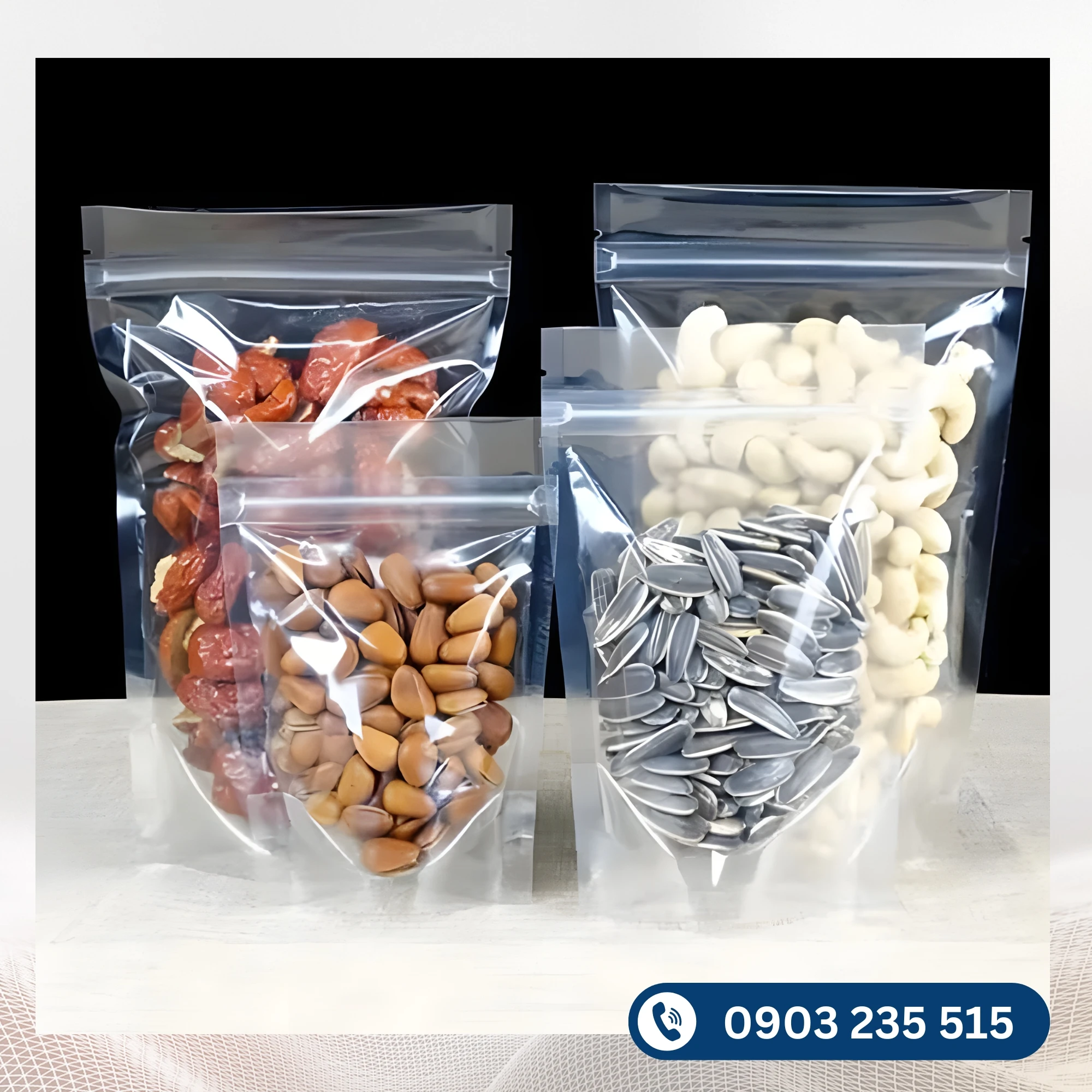
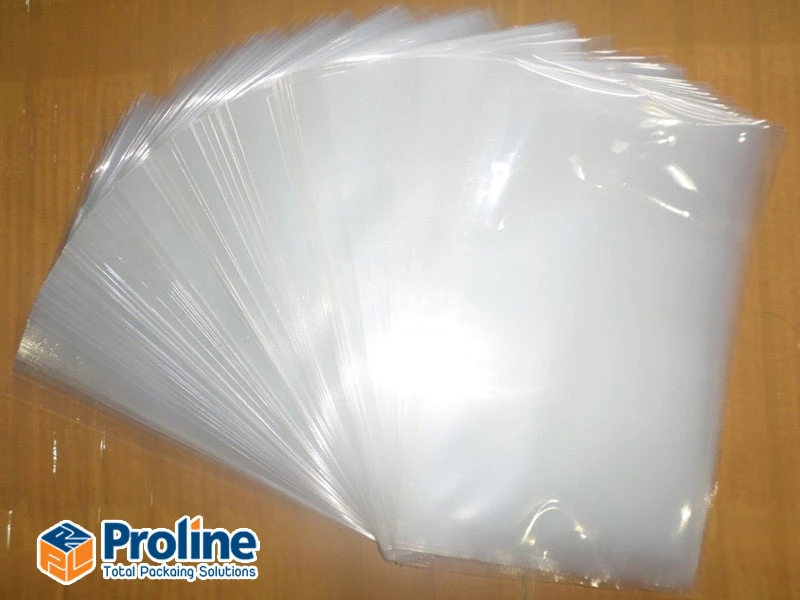
Step 2: Prepare vacuum bag
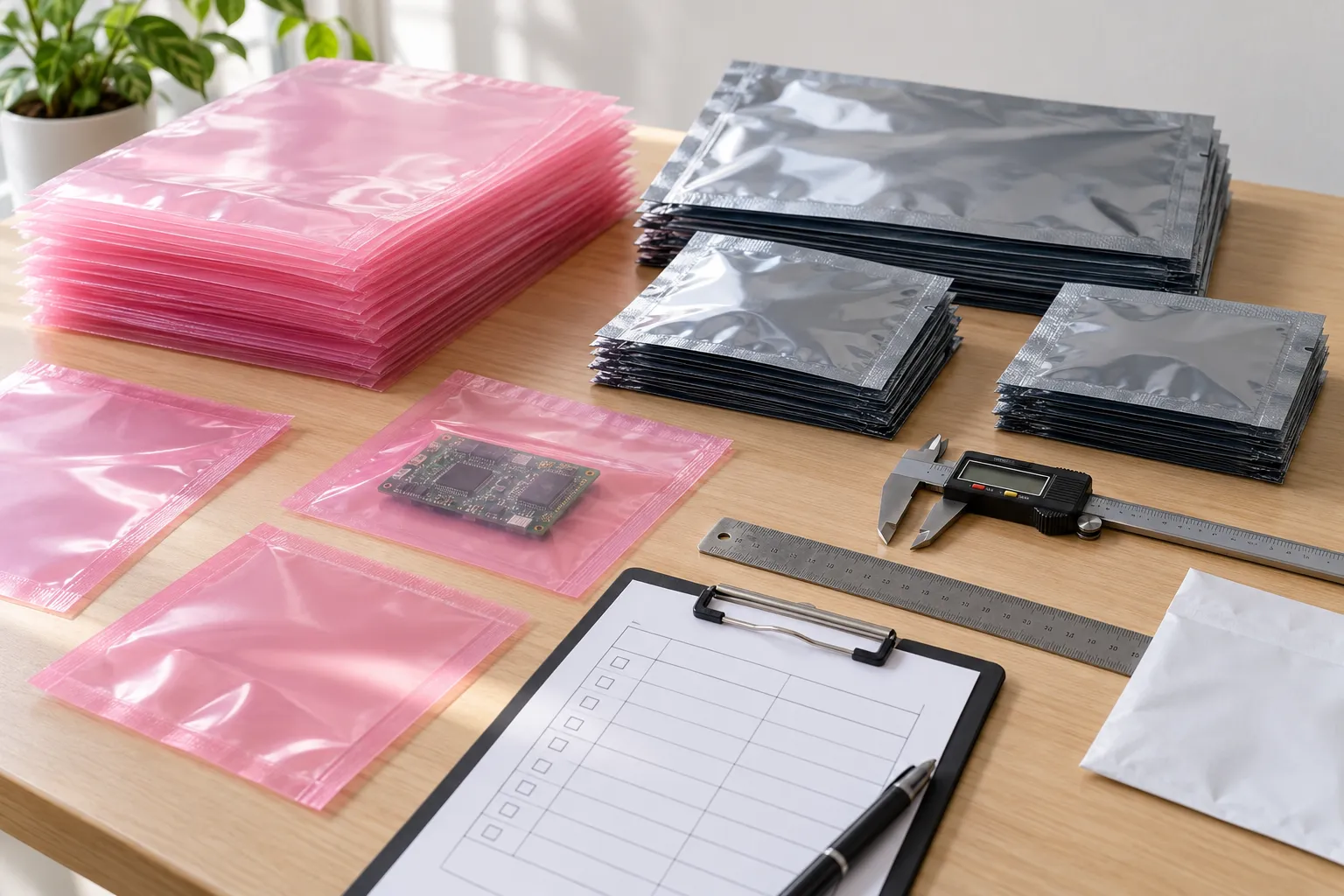
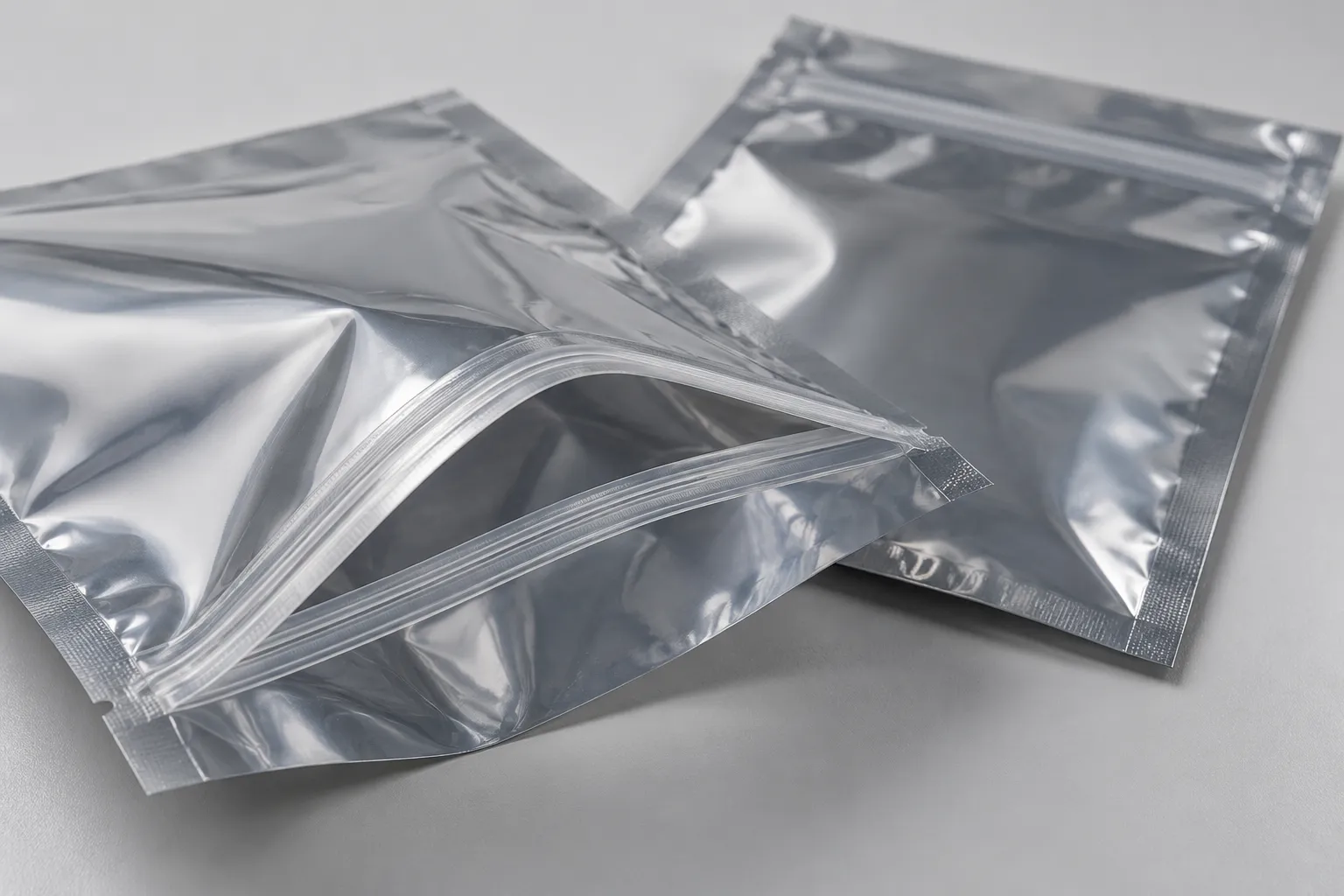
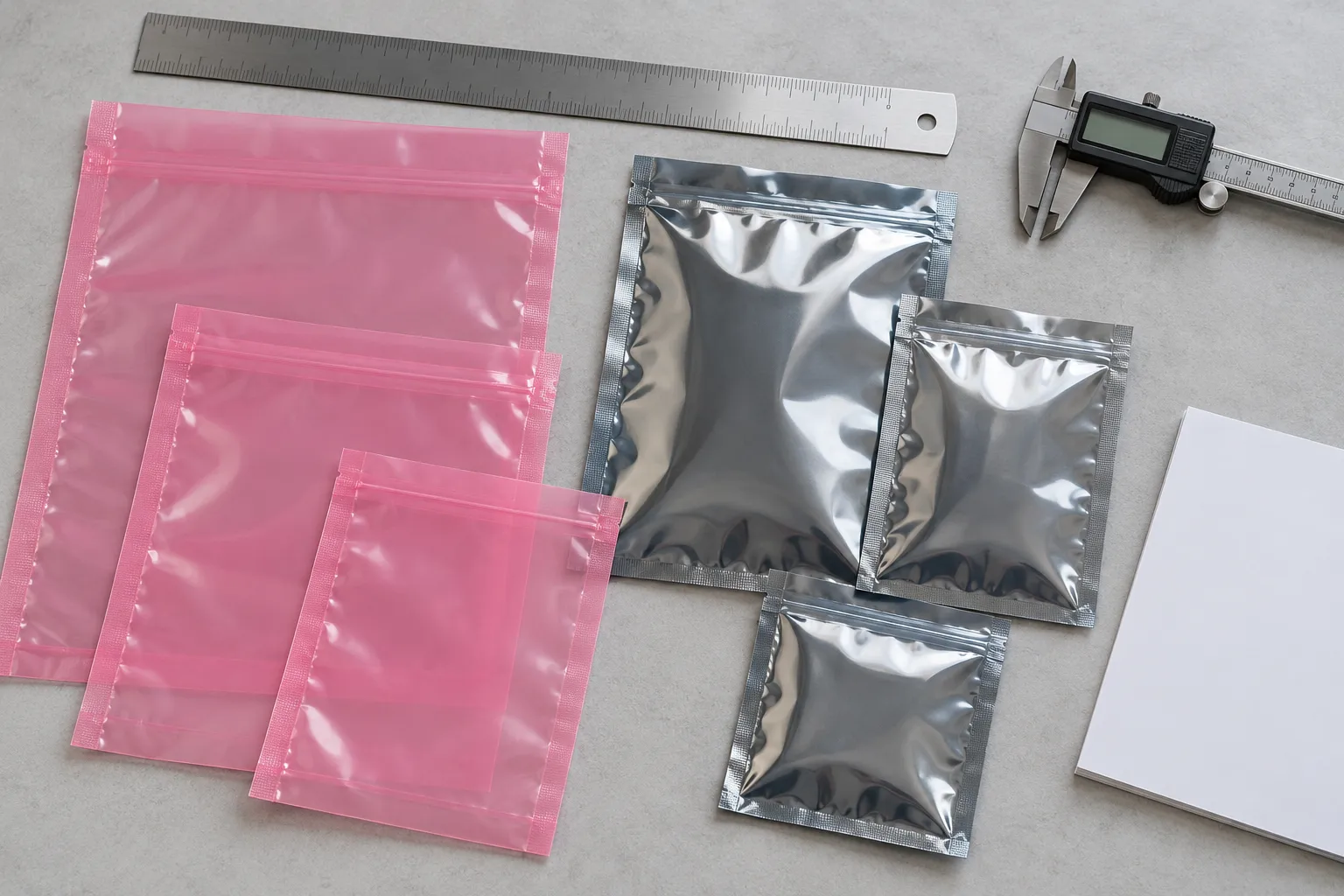
Before use, you need to prepare vacuum bags suitable for the size of the food you want to preserve. If you use existing vacuum bags, check that they are the right size and thickness to ensure effective food preservation.
2. How to use a vacuum machine
Step 1: Place the vacuum bag into the machine
To start the vacuuming process, you need to place the vacuum bag into the machine. Make sure the bag mouth is correctly placed in the machine's bag clip and is not wrinkled or folded.
Step 2: Close the lid and turn on the power
After placing the bag in the machine, you need to close the lid and turn on the power. Wait a few seconds for the device to boot up completely.
Step 3: Set vacuum mode
Vacuum sealers often have many different modes to suit each type of food. You need to choose the mode that is suitable for the food you want to preserve. If you don't know which mode to choose, choose automatic mode to have the machine automatically adjust vacuum pressure and time.
Step 4: Start the vacuum process
Once you have selected the vacuum mode, you can start the vacuum process by pressing the "Start" or "Vacuum" button. This process will take a few seconds depending on the size and thickness of the vacuum bag.
Step 5: Close the bag and mark the storage date
After the vacuuming process is completed, you need to close the lid of the bag and mark the storage date on the surface of the bag. This makes it easy for you to monitor the shelf life of foods and ensure that you use them at their best.
3. Notes when using a vacuum machine
Note 1: Do not vacuum foods containing a lot of solvents
Foods high in solvents such as fresh fruits, vegetables or raw meat should not be vacuum-sealed because the high pressure can cause them to become deformed or crushed. If you want to preserve these foods, you can use a vacuum bag with an air release valve to reduce the pressure inside the bag.
Note 2: Do not vacuum-pack foods containing liquid
If the food has a package containing liquid such as water or oil, you need to seal the package and dry the surface before placing it in the vacuum cleaner. Otherwise, liquid may be sucked inside the machine and cause damage to the device.
Note 3: Do not vacuum foods with torn or damaged packages
If the vacuum bag is torn or damaged, you should replace it with a new one to ensure effective food preservation. If you continue to use a damaged bag, the pressure inside the bag will not be enough to keep the food preserved longer.
4. How to preserve the vacuum machine
To ensure your vacuum cleaner works well and is durable, you need to store the device properly. After use, you should clean the machine and dry the surface before closing the lid and placing it in a dry place. You should also check and clean the machine's filter periodically to ensure effective operation of the machine.
5. Conclusion
So, we have learned how to use the vacuum sealer z vacuum machine simply and effectively. Using a vacuum cleaner makes food preservation easier and more convenient. However, you also need to pay attention to the conditions to ensure the safest and most effective use of the vacuum cleaner. Hopefully this article will help you in using the vacuum cleaner properly and effectively.
See more: