 Tiếng Việt
 Korean
 Russian
 Japan
 English
 0903.235.515


The Ultimate Guide to Choosing the Best Vacuum Bag for Food
The Ultimate Guide to Choosing the Best Vacuum Bag for Food
Vacuum sealing is a great way to keep food fresh for longer. By removing air from the bag, you can prevent bacteria from growing and causing spoilage. This can extend the shelf life of your food by up to five times. But not all vacuum bags are created equal. There are many different types of bags available, each with its own advantages and disadvantages. So how do you choose the best vacuum bag for your needs? In this ultimate guide, we will discuss everything you need to know about vacuum bags, including the different types of bags available, how to choose the right type of bag for your food, how to use vacuum bags properly, and tips for storing and freezing vacuum-sealed food.
Vacuum Bag
A vacuum bag is a specially designed plastic bag that is used to remove air from the contents inside. This creates a vacuum seal, which helps to preserve the freshness and quality of the items inside. Vacuum bags are commonly used for food storage, but they can also be used for other purposes such as storing clothes, blankets, and other household items.
Types of Vacuum Bags
There are three main types of vacuum bags: embossed bags, chamber bags, and zip-top bags. Each type has its own unique features and benefits, so it's important to understand the differences in order to choose the best one for your needs.
Embossed Bags
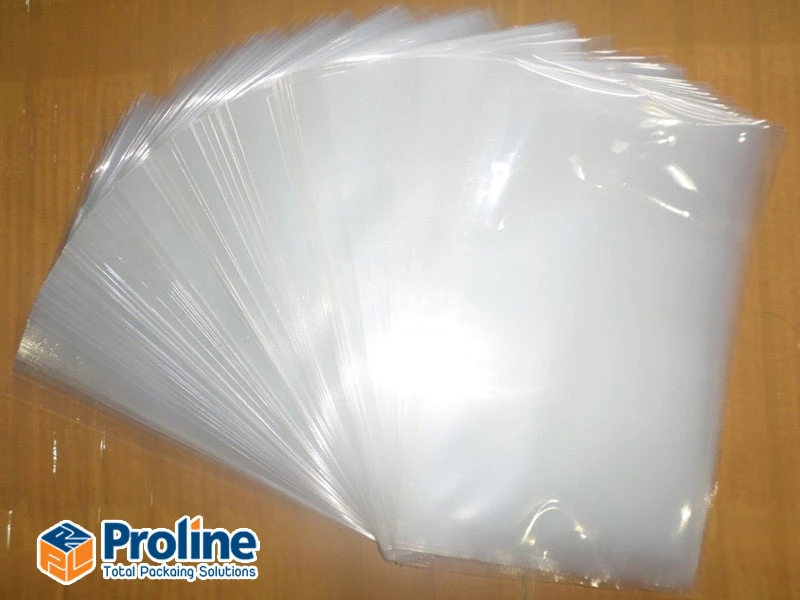
Embossed bags have raised ribs on the inside that help to remove air from the bag and prevent food from sticking to the bag. These bags are the most commonly used for vacuum sealing food. They are compatible with most vacuum sealers and are available in various sizes to accommodate different types of food.
One of the main advantages of embossed bags is their affordability. They are generally less expensive than other types of vacuum bags, making them a popular choice for home use. They are also versatile and can be used for both short-term and long-term storage.
However, one downside of embossed bags is that they are not as durable as other types of vacuum bags. They can tear easily, especially when sealing sharp or bulky items. Additionally, the raised ribs on the inside of the bag can make it difficult to clean and dry, which can lead to bacteria growth if not properly maintained.
Chamber Bags
Chamber bags are designed for use with chamber vacuum sealers. They are made of a thicker material than embossed bags and can be used to seal larger items. These bags are commonly used in commercial settings, such as restaurants and food packaging facilities.
One of the main advantages of chamber bags is their durability. They are made of a heavy-duty material that can withstand high temperatures and pressure, making them ideal for sous vide cooking. They are also more effective at removing air from the bag, resulting in a tighter seal and longer shelf life for food.
However, chamber bags are more expensive than embossed bags and require a specific type of vacuum sealer to use. This can be a barrier for home users who may not have access to a chamber vacuum sealer. They are also not as versatile as embossed bags and are primarily used for long-term storage.
Zip-Top Bags
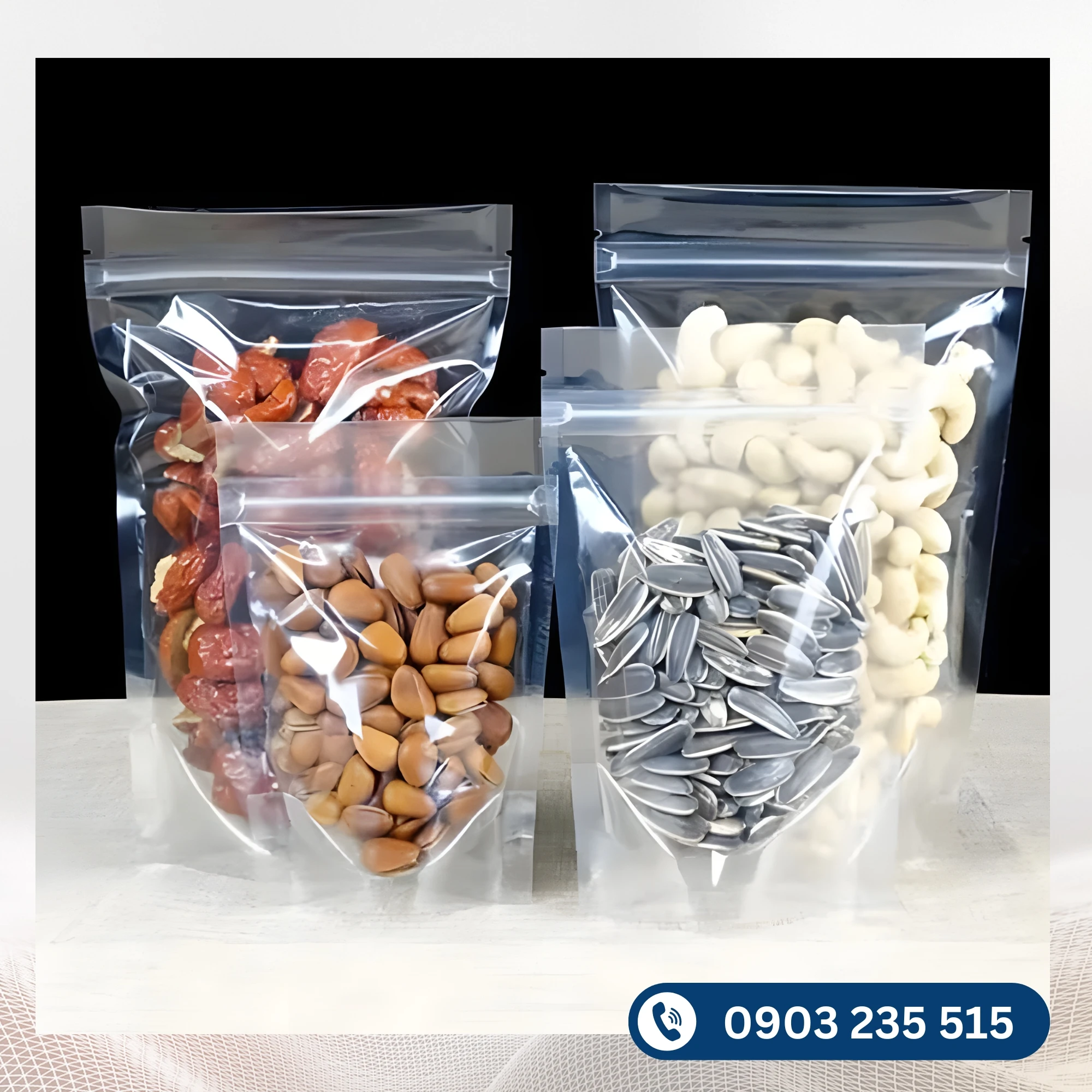
Zip-top bags are convenient for storing food that you want to be able to access easily. They are not as effective at removing air as embossed bags, but they are still a good option for shorter-term storage. These bags are commonly used for packing lunches, freezing leftovers, and storing snacks.
The main advantage of zip-top bags is their convenience. They are easy to use and can be opened and closed multiple times without losing their effectiveness. They are also readily available and can be found in most grocery stores.
However, zip-top bags are not suitable for long-term storage as they do not create a tight seal like embossed or chamber bags. They are also not as durable and can easily tear or puncture, especially when used for freezing.
Vacuum Bag for Food
Vacuum bags are commonly used for storing food, as they help to extend the shelf life of perishable items. However, not all vacuum bags are suitable for food storage. It's important to choose the right type of bag based on the type of food you are storing and how long you plan to store it.
Choosing the Right Type of Bag for Your Food
When choosing a vacuum bag for food, consider the following factors:
- Type of food: Different types of food have different storage requirements. For example, delicate foods like fruits and vegetables may require a gentler vacuum sealing process, while meats and fish may need a stronger seal.
- Length of storage: If you plan to store food for an extended period of time, it's best to use a thicker and more durable bag, such as a chamber bag.
- Size of food: Make sure to choose a bag that is large enough to accommodate the size of your food. You don't want to overstuff the bag, as this can affect the effectiveness of the vacuum seal.
- Compatibility with your vacuum sealer: Not all vacuum bags are compatible with all vacuum sealers. Make sure to check the specifications of your vacuum sealer before purchasing bags.
Using Vacuum Bags Properly
To ensure the best results when using vacuum bags for food storage, follow these tips:
- Fill the bag properly: Leave enough space at the top of the bag to allow for proper sealing. Overfilling the bag can prevent a tight seal from forming.
- Seal the bag correctly: Make sure the bag is properly sealed before placing it in the vacuum sealer. Any gaps or wrinkles can affect the vacuum seal.
- Store in a cool, dry place: To maintain the freshness of your food, store vacuum-sealed bags in a cool and dry place. Avoid storing them in areas with high humidity or temperature fluctuations.
- Label and date the bags: It's important to label and date your vacuum-sealed bags so you know when they were sealed and what is inside. This will help you keep track of expiration dates and prevent food waste.
Vacuum Bags for Clothes
Vacuum bags can also be used for storing clothes, especially bulky items like winter coats and blankets. By removing the air from the bag, you can save space and protect your clothes from dust, moisture, and pests.
Vacuum Bags Storage
When using vacuum bags for storing clothes, it's important to choose the right type of bag and follow proper storage techniques. Here are some tips for storing vacuum-sealed bags:
- Choose a durable bag: For storing clothes, it's best to use a thicker and more durable bag, such as a chamber bag. This will protect your clothes from damage and ensure a tight seal.
- Store in a dry place: Make sure to store vacuum-sealed bags in a dry place to prevent mold and mildew growth.
- Avoid sharp objects: When packing clothes into the bag, make sure to avoid sharp objects that can puncture the bag and compromise the seal.
- Don't overstuff the bag: Overfilling the bag can affect the effectiveness of the vacuum seal and may cause the bag to tear.
Vacuum Bags for Blankets
Vacuum bags are also a great option for storing blankets, especially during the off-season. By removing the air from the bag, you can save space and protect your blankets from dust, moisture, and pests.
Vacuum Bag Sealer
A vacuum bag sealer is a device used to remove air from the bag and create a vacuum seal. There are two main types of vacuum sealers: external and chamber sealers.
External Sealers
External sealers are the most common type of vacuum sealer and are suitable for home use. They work by removing air from the bag through a small opening and then sealing it shut. These sealers are compatible with embossed bags and zip-top bags.
Chamber Sealers
Chamber sealers are used in commercial settings and are more expensive than external sealers. They work by placing the entire bag inside a chamber, where the air is removed and the bag is sealed. These sealers are compatible with chamber bags and can be used to seal multiple bags at once.
Conclusion
Choosing the right vacuum bag for your needs is essential for effective food storage and organization. Consider the type of food you are storing, the length of storage, and the compatibility with your vacuum sealer when choosing a bag. Properly using and storing vacuum bags can help extend the shelf life of your food, clothes, and blankets, making them a valuable tool in any household. With this ultimate guide, you now have all the information you need to choose the best vacuum bag for your specific needs. Happy vacuum sealing!