
 Tiếng Việt
 Korean
 Russian
 Japan
 English
 0903.235.515


Mylar bag for food storage
Thương hiệu: Proline.vn
Status: In Stock
Product description
What is a Mylar Bag?
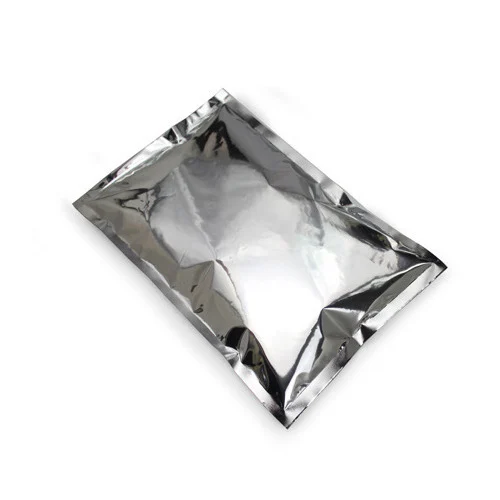
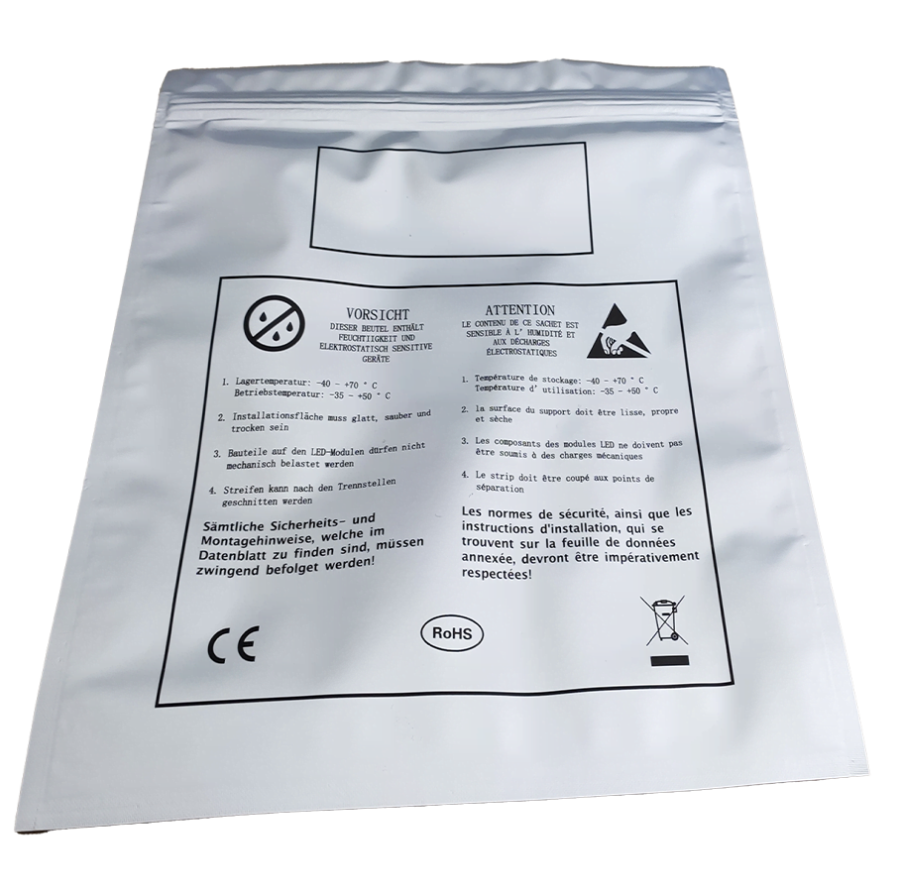
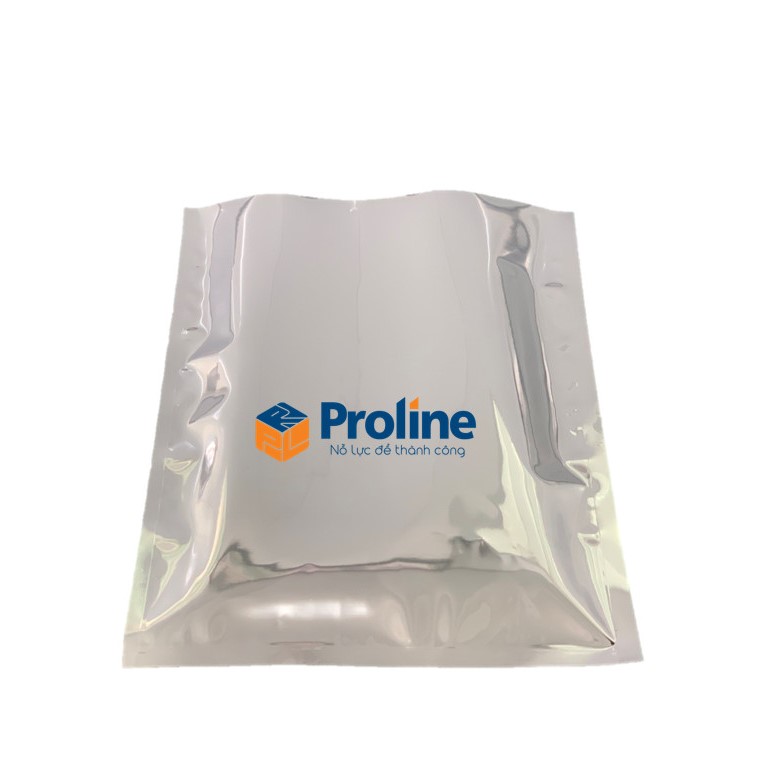
Mylar bags, also known as foil bags or barrier bags, are made from a polyester film called BoPET (biaxially-oriented polyethylene terephthalate). This material is highly resistant to moisture, oxygen, and light, making it ideal for storing and preserving food. Mylar bags come in various sizes and thicknesses, with the most common being 3.5 mil and 7 mil. They also have a shiny metallic appearance, which gives them a futuristic look.
How Do Mylar Bags Work?
Mylar bags work by creating a barrier between the food and its surrounding environment. The polyester film used in making these bags acts as a shield against moisture, oxygen, and light, which are the main factors that cause food spoilage. By keeping these elements out, mylar bags help to extend the shelf life of food significantly.
Benefits of Using Mylar Bags
There are numerous benefits to using mylar bags for food storage and preservation. Some of the most notable ones include:
Long-Term Storage
One of the primary advantages of mylar bags is their ability to store food for extended periods. Due to their excellent barrier properties, these bags can keep food fresh for up to 25 years when stored in a cool, dry place. This makes them ideal for emergency food supplies or stockpiling food for future use.
Versatility
Mylar bags are incredibly versatile and can be used to store a wide range of foods, including grains, beans, rice, pasta, dried fruits, and vegetables, among others. They are also suitable for storing non-food items such as medicine, electronics, and documents.
Cost-Effective
Compared to other food storage options, mylar bags are relatively inexpensive. They are also reusable, which means you can use them multiple times before needing to replace them. This makes them a cost-effective option for long-term food storage.
Space-Saving
Mylar bags come in various sizes, including small ones that can hold just a few ounces of food. This makes them perfect for storing food in limited spaces, such as small apartments or RVs. Additionally, these bags can be vacuum-sealed, which further reduces their size and allows for even more efficient storage.
How to Properly Seal a Mylar Bag
Properly sealing a mylar bag is crucial for ensuring the longevity of your stored food. Here's a step-by-step guide on how to seal a mylar bag properly:
- Fill the bag with the desired amount of food, leaving about 2 inches of space at the top.
- Use an oxygen absorber (more on this later) and place it on top of the food.
- Fold the top of the bag over twice, making sure to squeeze out any excess air.
- Place the folded part of the bag onto a flat surface and run a hot iron over it, pressing down firmly. Make sure to seal the entire width of the bag.
- Repeat the process on the other side of the bag, creating a double seal for added protection.
- Allow the bag to cool completely before handling it.
Choosing the Right Size Mylar Bag for Your Needs
When it comes to choosing the right size mylar bag, there are a few factors to consider. These include the amount of food you want to store, the space you have available, and the type of food you are storing. Here are some general guidelines to help you choose the right size mylar bag:
- For individual or small portions of food, opt for 1-gallon or smaller bags.
- For larger quantities of food, such as bulk grains or beans, go for 5-gallon bags or larger.
- If you have limited storage space, consider using smaller bags that can be stacked easily.
- For foods that require frequent access, use smaller bags that can be resealed after each use.
Tips for Storing Food in Mylar Bags
While mylar bags are an excellent option for long-term food storage, there are a few things to keep in mind to ensure your food stays fresh and safe to eat. Here are some tips for storing food in mylar bags:
Use Oxygen Absorbers
Oxygen absorbers are small packets that contain iron powder and salt. When placed in a sealed container, they absorb oxygen, leaving behind nitrogen, which helps to preserve food. These packets are essential when storing food in mylar bags as they prevent the growth of bacteria and mold.
Store in a Cool, Dry Place
Mylar bags are not resistant to heat, so it's crucial to store them in a cool, dry place away from direct sunlight. A basement or cellar is an ideal location for storing mylar bags. Avoid storing them in areas where temperatures fluctuate significantly, such as attics or garages.
Label and Date Your Bags
It's essential to label and date your mylar bags, especially if you are storing different types of food. This will help you keep track of what's inside each bag and when it was stored. Use a permanent marker to write on the bag, or use labels that can be easily removed.
Common Uses for Mylar Bags
Mylar bags have a wide range of uses, with food storage being just one of them. Here are some other common uses for mylar bags:
Emergency Preparedness
Mylar bags are a popular choice for emergency preparedness as they can store food for extended periods. They are also lightweight and easy to transport, making them ideal for emergency kits or bug-out bags.
Camping and Hiking
For outdoor enthusiasts, mylar bags are a convenient way to store food while camping or hiking. They are lightweight, compact, and can keep food fresh for an extended period, making them perfect for longer trips.
Home Organization
Mylar bags can also be used for home organization purposes. They are great for storing items such as clothes, linens, and seasonal decorations, as they protect them from moisture and pests.
How Long Can Food Last in a Mylar Bag?
The shelf life of food stored in mylar bags varies depending on several factors, including the type of food, storage conditions, and the quality of the bag. However, in general, properly sealed mylar bags can keep food fresh for up to 25 years. Here's a breakdown of how long some common foods can last in a mylar bag:
- Grains and legumes: Up to 25 years
- Dried fruits and vegetables: Up to 20 years
- Powdered milk: Up to 20 years
- Sugar, salt, and honey: Indefinitely
- Freeze-dried meats: Up to 15 years
- Dehydrated meats: Up to 10 years
- Herbs and spices: Up to 5 years
It's essential to note that these are just estimates, and the actual shelf life may vary depending on the storage conditions and the quality of the food.
Mylar Bags vs. Other Food Storage Options
While mylar bags are an excellent option for long-term food storage, they are not the only one available. Here's a comparison between mylar bags and other common food storage options:
Mylar Bags vs. Mason Jars
Mason jars are a popular choice for storing food due to their durability and versatility. However, when it comes to long-term storage, mylar bags have the upper hand. They are more resistant to moisture and oxygen, which can cause food spoilage over time. Additionally, mason jars take up more space, making them less suitable for limited storage areas.
Mylar Bags vs. Canning
Canning is another popular method of preserving food for extended periods. While it can be effective, it requires specialized equipment and can be time-consuming. Mylar bags, on the other hand, are relatively easy to use and don't require any special equipment. They are also more cost-effective compared to canning.
Mylar Bags vs. Freezing
Freezing is a common way to preserve food, especially meats and vegetables. However, it requires a constant power supply and can be challenging during emergencies or natural disasters. Mylar bags, on the other hand, do not require electricity and can be stored in a cool, dry place, making them a more reliable option for long-term storage.
Are Mylar Bags Reusable?
Yes, mylar bags are reusable, but it depends on how you use them. If you are using them to store dry foods such as grains, beans, or rice, you can reuse them multiple times before needing to replace them. However, if you are storing wet or oily foods, it's best to use a new bag each time to avoid cross-contamination and ensure the freshness of your food.
Proper Disposal of Mylar Bags
When it's time to dispose of your mylar bags, it's essential to do so responsibly. While they are not biodegradable, they can be recycled. Check with your local recycling center to see if they accept mylar bags. If not, you can cut them into small pieces and place them in a plastic bag before disposing of them in the trash.


Sản phẩm đã được thêm vào giỏ hàng