
 Tiếng Việt
 Korean
 Russian
 Japan
 English
 0903.235.515


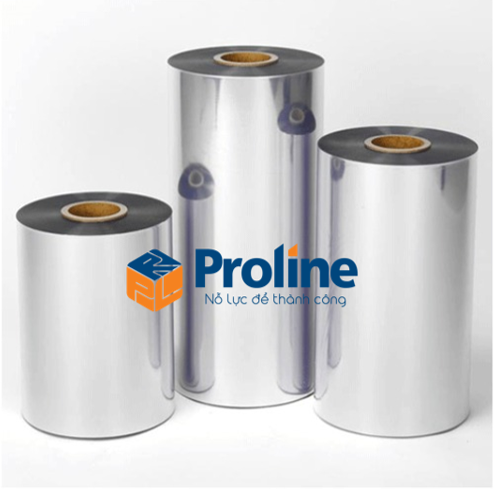


ESD Metallized film
Thương hiệu: Proline.vn
Status: In Stock
Product description
Understanding the Properties of ESD Metallized Film
Conductivity
The main property of ESD metallized film is its ability to conduct electricity. The metal coating on the film allows for the dissipation of static charges, preventing damage to electronic components. The level of conductivity can be controlled by adjusting the thickness of the metal layer, making ESD metallized film suitable for a wide range of applications.
Transparency
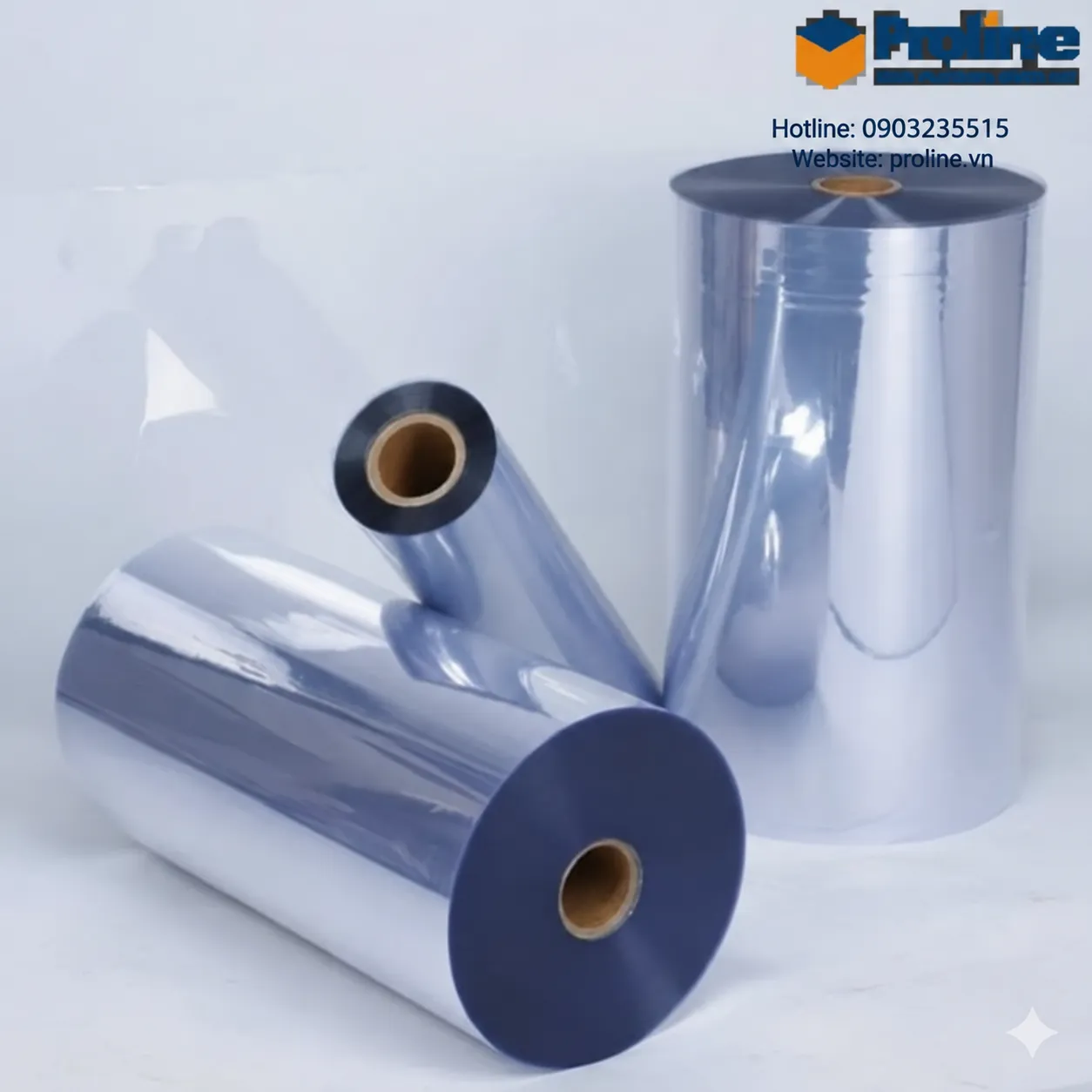
ESD metallized film is transparent, allowing for easy visibility of the packaged product. This is particularly useful in the electronics industry, where visual inspection of components is necessary. The transparency of the film also makes it suitable for use in packaging materials, as it allows for easy identification of the packaged product.
Flexibility
ESD metallized film is highly flexible, making it suitable for use in various applications. It can be easily molded and shaped to fit different packaging needs, and it can also be laminated with other materials for added strength and protection. This flexibility makes ESD metallized film a versatile material that can be used in a variety of industries.
Applications of ESD Metallized Film in Various Industries
ESD metallized film has a wide range of applications in various industries, including electronics, aerospace, automotive, and medical devices. Let's take a closer look at some of its common uses.
Electronics Industry
In the electronics industry, ESD metallized film is used in the manufacturing of electronic devices such as computers, smartphones, and other consumer electronics. It is commonly used as a protective layer for sensitive components, preventing damage from static electricity during production, transportation, and storage. ESD metallized film is also used in the production of printed circuit boards (PCBs) to prevent electrostatic discharge during assembly.
Aerospace Industry
The aerospace industry also utilizes ESD metallized film in the production of aircraft components. The film is used as a protective layer for sensitive electronic equipment, ensuring that they are not damaged by static charges during flight. It is also used in the packaging of aerospace products to protect them from ESD during transportation and storage.
Automotive Industry
In the automotive industry, ESD metallized film is used in the production of electronic components such as sensors, control modules, and displays. These components are susceptible to damage from static electricity, which can affect the performance and reliability of the vehicle. ESD metallized film is also used in the packaging of automotive products to ensure their safe transport and storage.
Medical Devices Industry
ESD metallized film has applications in the medical devices industry, where it is used to protect sensitive electronic components in medical equipment. It is also used in the packaging of medical devices to prevent damage from static electricity during transportation and storage. Additionally, ESD metallized film is used in cleanroom environments to control electrostatic discharge and maintain a sterile environment.
Advantages and Disadvantages of ESD Metallized Film
Like any other material, ESD metallized film has its own set of advantages and disadvantages. Let's take a closer look at these.
Advantages
- Effective ESD Control: The main advantage of ESD metallized film is its ability to dissipate static charges, making it an effective ESD control material.
- Cost-effective: ESD metallized film is relatively inexpensive compared to other ESD control materials such as conductive plastics or metal foils.
- Versatile: ESD metallized film can be used in a variety of industries and applications due to its flexibility and transparency.
- Lightweight: ESD metallized film is lightweight, which makes it suitable for use in packaging materials without adding significant weight to the overall product.
- Easy to handle: ESD metallized film is easy to handle and can be easily cut, shaped, and laminated with other materials.
Disadvantages
- Limited conductivity: ESD metallized film has lower conductivity compared to other ESD control materials, which may not be suitable for some high-risk applications.
- Susceptible to damage: ESD metallized film can be damaged by sharp objects or excessive heat, which can compromise its effectiveness as an ESD control material.
- Environmental concerns: The metal coating on ESD metallized film can make it difficult to recycle, leading to potential environmental concerns.
- Not suitable for all applications: ESD metallized film may not be suitable for all applications, and other ESD control materials may be more effective in certain situations.
Comparing ESD Metallized Film with Other ESD Materials
ESD metallized film is just one of many materials used for ESD control. Let's compare it with some other commonly used ESD materials.
Conductive Plastics
Conductive plastics are a popular choice for ESD control, as they offer high levels of conductivity and are lightweight. However, they can be more expensive than ESD metallized film and may not be suitable for all applications due to their limited flexibility.
Metal Foils
Metal foils such as aluminum or copper are highly conductive and can provide excellent ESD protection. However, they are heavy and can add significant weight to the final product. They are also more expensive compared to ESD metallized film.
Carbon-based Materials
Carbon-based materials such as carbon fiber or carbon nanotubes are becoming increasingly popular for ESD control. They offer high levels of conductivity and are lightweight, making them suitable for a wide range of applications. However, they can be expensive and may not be readily available in all regions.
In comparison, ESD metallized film offers a balance between cost, effectiveness, and versatility, making it a popular choice for many industries.
Factors to Consider When Choosing ESD Metallized Film
When choosing ESD metallized film for your application, there are several factors that you should consider.
Level of Conductivity
The level of conductivity required for your application will determine the thickness of the metal coating on the film. For high-risk applications, a thicker metal layer may be necessary to ensure effective ESD control.
Flexibility
If your application requires a high degree of flexibility, then ESD metallized film may be a suitable choice. However, if rigidity is important, other ESD materials such as metal foils may be more appropriate.
Environmental Concerns
If you are concerned about the environmental impact of your packaging materials, then ESD metallized film may not be the best choice. Consider using alternative materials such as carbon-based materials or conductive plastics, which can be more easily recycled.
Cost
ESD metallized film is relatively inexpensive compared to other ESD control materials, making it a cost-effective option for many applications. However, if budget is a concern, consider using conductive plastics or carbon-based materials, which may offer similar levels of effectiveness at a lower cost.
Proper Handling and Storage of ESD Metallized Film
To ensure the effectiveness of ESD metallized film, proper handling and storage are crucial. Here are some tips to keep in mind:
- Always handle ESD metallized film with clean, dry hands to prevent contamination.
- Store ESD metallized film in a cool, dry place away from direct sunlight and heat sources.
- Avoid sharp objects that could damage the film's metal coating.
- Use proper grounding techniques when working with ESD metallized film to prevent static charges from building up.
Common Uses of ESD Metallized Film in Electronic Devices
ESD metallized film has numerous applications in the electronics industry, where it is used to protect sensitive components from electrostatic discharge. Let's take a closer look at some common uses of ESD metallized film in electronic devices.
Printed Circuit Boards (PCBs)
ESD metallized film is commonly used in the production of PCBs to prevent electrostatic discharge during assembly. It is also used as a protective layer for sensitive components on the PCB, ensuring their safe operation.
Displays and Touchscreens
Displays and touchscreens in electronic devices are susceptible to damage from static electricity. ESD metallized film is used as a protective layer for these components, preventing damage and ensuring their reliability.
Sensors and Control Modules
Sensors and control modules in electronic devices are critical components that require protection from ESD. ESD metallized film is used as a protective layer for these components, ensuring their proper functioning.
Impact of ESD Metallized Film on Product Performance and Reliability
ESD can cause significant damage to electronic components, leading to product failure and decreased reliability. By using ESD metallized film, manufacturers can ensure the safe operation of their products and maintain high levels of performance and reliability. This is particularly important in industries such as aerospace, automotive, and medical devices, where product failure can have serious consequences.
Future Developments and Innovations in ESD Metallized Film Technology
As technology continues to advance, so does the development of ESD control materials. In the future, we can expect to see further innovations and improvements in ESD metallized film technology. Some potential developments include:
- Improved conductivity: Researchers are working on ways to increase the conductivity of ESD metallized film, making it suitable for even more applications.
- Environmentally-friendly options: With growing concerns about the environment, there is a push towards developing more sustainable ESD control materials, including ESD metallized film.
- Integration with other materials: ESD metallized film may be integrated with other materials to create hybrid materials that offer improved properties and functionality.


Sản phẩm đã được thêm vào giỏ hàng